Pet Trusts in North Carolina: Protect Your Pets After You’re Gone
April 22, 2026 · Ryan P. Duffy


Pet Trusts in North Carolina: How to Protect Your Pets After You’re Gone
You’ve planned for your kids, but have you considered estate planning for pets as well? You’ve planned for your spouse, but have you considered creating a pet trust for your beloved animal? But what about your dog and their needs as a beneficiary of a pet trust, which can include provisions for pet insurance? Your cat? Your horse? Every pet deserves a thoughtful plan for their care. Don’t forget to include them in your estate planning process to ensure their care is addressed. Consider how a pet trust allows for proper care and funding for its needs. Consider creating a pet trust as part of your estate planning to ensure that your pets’ needs are met even after you are gone. If something happens to you, your pets need someone to take care of them — and “hoping for the best” isn’t a plan. A pet trust in North Carolina is a legally enforceable way to ensure that your pet is cared for, aligning with elder law principles and providing an enforceable pet care plan while avoiding the need to go through probate.
This guide explains how pet trusts work under North Carolina law, how to set one up, and why it’s one of the smartest things you can do for the animals who depend on you.
Attorney-reviewed: Reviewed by Ryan P. Duffy, a North Carolina and South Carolina estate planning attorney. Last reviewed: May 25, 2026. Estimated read time: 8 minutes.
Key takeaways
- A pet trust can provide care instructions and funding for pets after the owner’s death or incapacity.
- The plan should name a caregiver and a backup caregiver.
- Pet planning should be coordinated with the broader will or trust so funds and authority are clear.
A pet trust turns a loving intention into a workable plan. It names who cares for the animal, how money can be used, and who has oversight if circumstances change.
Want help applying this to your family?
Estate Planning of the Carolinas helps North Carolina and South Carolina families build flat-fee plans that fit their assets, decision-makers, and goals.
Schedule a Free ConsultationWhat Is a Pet Trust?
A pet trust is a legal arrangement that sets aside funds and names a caregiver to look after your pet if you die or become incapacitated. Unlike a last will and testament provision — which courts have historically treated with skepticism — a pet trust is enforceable and can serve as a key component of estate planning for pets in the event of your passing. A trustee is legally required to use the funds for your pet’s care according to your instructions as a beneficiary of the pet trust.
North Carolina formally recognizes pet trusts under the North Carolina Uniform Trust Code, allowing for honorary trusts dedicated to pet care. That means if your instructions say “use this money for annual vet checkups, quality food, and doggy daycare three times a week,” whoever is responsible for managing the trust must follow through.
Why You Can’t Just Leave Money to Your Pet in a Will
Pets are legally classified as property in North Carolina — the same category as your furniture or your car, which is why pet owners must take extra steps to protect their pets through the estate planning process. That means they can’t own property themselves. You can’t leave $10,000 to your pet in your will and expect it to stick; instead, establish a pet trust for proper management.
You could leave money to someone you trust and ask them to care for your pet, but without a pet trust, there’s no legal obligation to ensure that your pet’s needs are met. Once that money transfers, it’s theirs, but it must be used to care for the pet as specified in the pet trust, ensuring that your pet will continue to receive the care they need. A pet trust fixes this problem. The funds remain in trust, managed by a trustee who is legally accountable for using them as you directed — for the benefit of your pet.
North Carolina Pet Trust Law
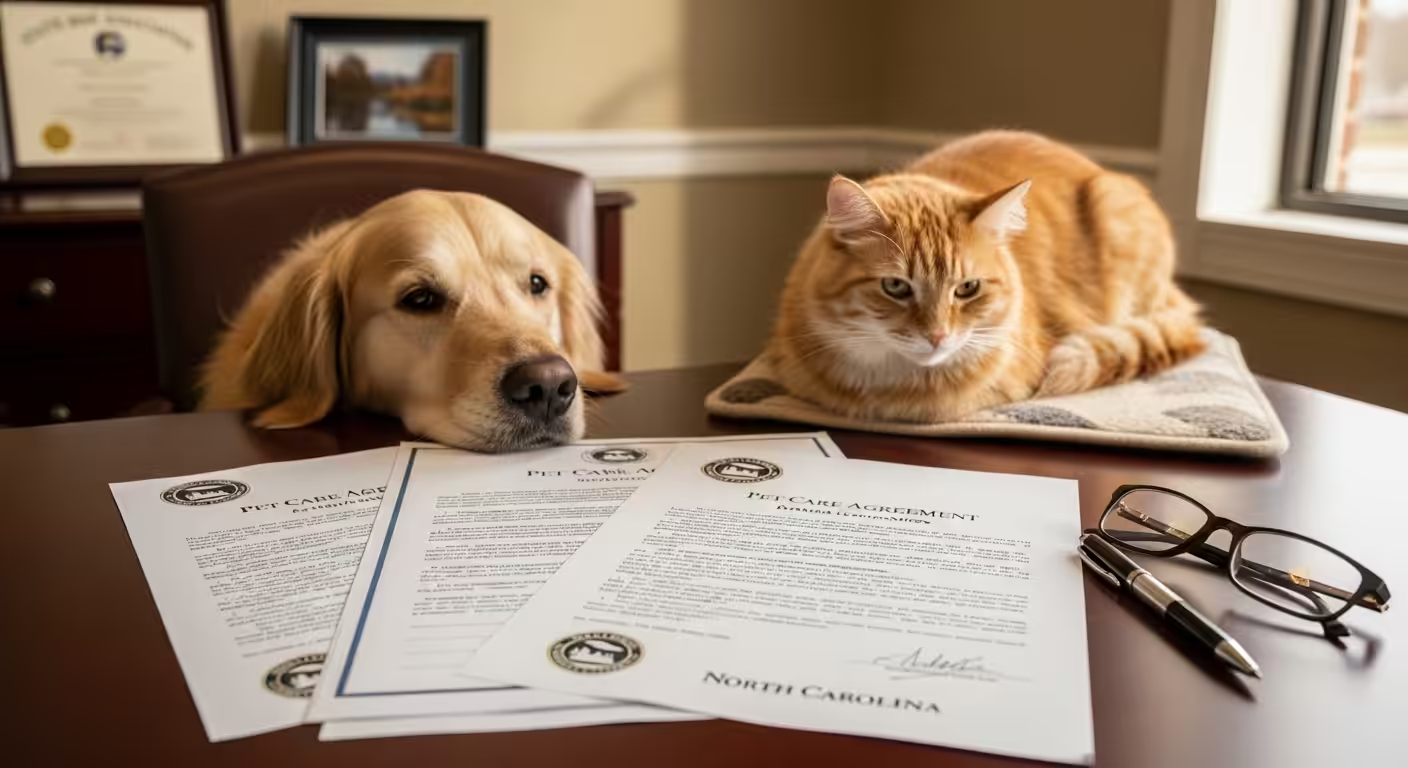
North Carolina General Statute Section 36C-4-408 explicitly authorizes trusts for the care of an animal. Key features under NC law: the trust lasts for the life of the animal covered; the court can reduce the trust amount if it substantially exceeds what is needed for the pet’s care; any remaining funds after the pet’s death pass according to the trust terms; and a person with an interest in the welfare of the animal can petition the court to enforce the trust.
This gives pet trusts real teeth, making them a powerful tool for pet owners and ensuring that their pets are cared for as intended, reinforcing the need for a dedicated pet caretaker. It’s not just a wish — it’s a legal obligation that can be enforced under § 36c-4-408, and the trust requires adherence to specific guidelines.
How to Set Up a Pet Trust in North Carolina
Step 1 — Identify Your Pets and Their Needs
Start by listing the animals you want to protect. Include identifying information: species, breed, name, microchip number, or other identifying markers. Think carefully about what your pet actually needs: annual vet visits, food, grooming, boarding, medications, and end-of-life care preferences.
Step 2 — Choose a Caregiver
The caregiver (sometimes called the pet guardian) is the person who will physically care for your pet day-to-day. This is often different from the trustee, who manages the money. Separate these roles intentionally in a way that ensures the pet trust creates clear responsibilities. Pick someone who genuinely wants the animal and has the lifestyle to accommodate it, as they will be responsible for managing the pet trust. Name a backup caregiver too to ensure that your pet is always cared for, even if your primary choice is unavailable, as this is a way to ensure continuous care.
Step 3 — Choose a Trustee
The trustee manages and distributes the trust funds to the caregiver according to your specific instructions. This could be a family member, a friend, or a professional trustee, as North Carolina law allows for various options in the estate planning process. Choose someone organized and trustworthy who will actually monitor whether your pet is being cared for properly as a caretaker.
Step 4 — Fund the Trust
Estimate annual care costs for every pet, multiply by your pet’s expected remaining lifespan, and add a buffer for unexpected vet bills to ensure the remaining trust funds are adequate. For a young, healthy dog, that might be $30,000 to $60,000, but a pet trust may be necessary for more costly care and well-being, especially if you want your pet to receive the best. For a horse or exotic animal, it could be significantly more. The trust can be funded through a revocable living trust, a standalone pet trust document, or through a life insurance policy payable to the trust.
Step 5 — Draft the Trust Document
A properly drafted pet trust should cover: identification of covered animals, caregiver and trustee information, detailed care instructions, distribution schedule, what happens to remaining funds after your pet dies, and disposition of your pet’s remains.
What Happens to Leftover Funds?
If the funds run out, the trust terminates and the caregiver bears costs themselves — which is why proper funding matters in the terms of the trust that provides for your pet and the funds. If funds remain after the death of the animal, they pass to whoever you’ve designated in the trust. If you haven’t designated anyone, the funds in the trust flow back into your estate, which may not align with your intentions for your pet, leading to potential probate complications.

Can a Pet Trust Cover Multiple Pets?
Yes, pet owners should consider establishing a pet trust for every pet they have. A single pet trust can cover multiple animals, and the trust lasts until the last surviving animal dies, ensuring that many pet owners can provide for their beloved companions. Each animal should be individually identified in the trust document to ensure that your pet’s needs are specifically addressed in the estate planning documents.
Pet Trusts vs. Leaving Money to a Caregiver Directly
Simply leaving money to a trusted friend with a verbal understanding carries serious legal risks, especially when it comes to estate planning for your pets without proper planning. There’s no enforceable obligation. If that person dies, divorces, or goes bankrupt, your pet’s funds could disappear entirely, highlighting the importance of having a reliable caretaker. A properly structured pet trust that provides peace of mind protects those funds and dedicates them to a specific purpose.

Do I Need a Separate Pet Trust Document?
Not necessarily, as many pet owners overlook the importance of pet trusts in their estate plans. If you already have a revocable living trust, pet provisions can often be incorporated directly into that document, ensuring that every pet is cared for. This is usually simpler and more cost-effective than creating a standalone trust.
How a North Carolina an experienced North Carolina estate planning attorney Can Help
At Carolina Estate Plan, we help North Carolina families protect every member of the family — including the four-legged ones, by creating a pet trust tailored to their needs. We work virtually via Microsoft Teams, phone, or a similar remote option and charge a transparent flat fee for services provided by a pet trust attorney specializing in planning in North Carolina. Schedule a free consultation today to review and update your pet trust.
Pet Trust North Carolina FAQs
Are pet trusts legal in North Carolina?
Yes. North Carolina General Statute Section 36C-4-408 explicitly authorizes trusts for the care of animals, allowing you to create a trust that benefits your pet. A pet trust is legally enforceable, and a court can compel compliance with its terms.
How much money should I put in a pet trust?
Calculate estimated annual care costs multiplied by your pet’s expected remaining lifespan, plus a buffer for unexpected expenses to ensure that your pet is well cared for throughout their life, considering the possibility of overfunding a pet trust. A healthy young dog might warrant $30,000 to $60,000; horses and exotic animals may require significantly more, especially when it comes to estate planning.
Who should be the trustee of a pet trust?
The trustee should be organized, financially responsible, and willing to monitor the caregiver to fulfill the terms of the trust, ensuring compliance with North Carolina’s laws and taking on the responsibility of naming a trustee for effective management. Choose someone different from the caregiver to maintain accountability and ensure that every pet is covered by the trust, as required by the estate planning documents.
What happens to my pet trust if the caregiver can’t serve?
Your trust document should name a backup caregiver. This is why naming someone you trust as an alternate beneficiary of the trust — and discussing your wishes in advance — is so important.
Can I include pet trust provisions in my existing living trust?
Yes. Pet care provisions can often be incorporated into your revocable living trust rather than creating a separate document, which means that the trust covers your pets adequately.
Related reading from Carolina Estate Plan: our virtual estate planning process · Charlotte.


Related estate planning guides
Use these next if you are comparing wills, trusts, probate avoidance, and the cost of a complete plan.
Have questions about your estate plan?
Ryan P. Duffy is a North Carolina and South Carolina licensed estate planning attorney. Schedule a free, no-pressure consultation to discuss your family's specific situation.
Schedule Your Free Consultation